

Copper vs Aluminium in Electrical Applications: Which One Should You Choose?

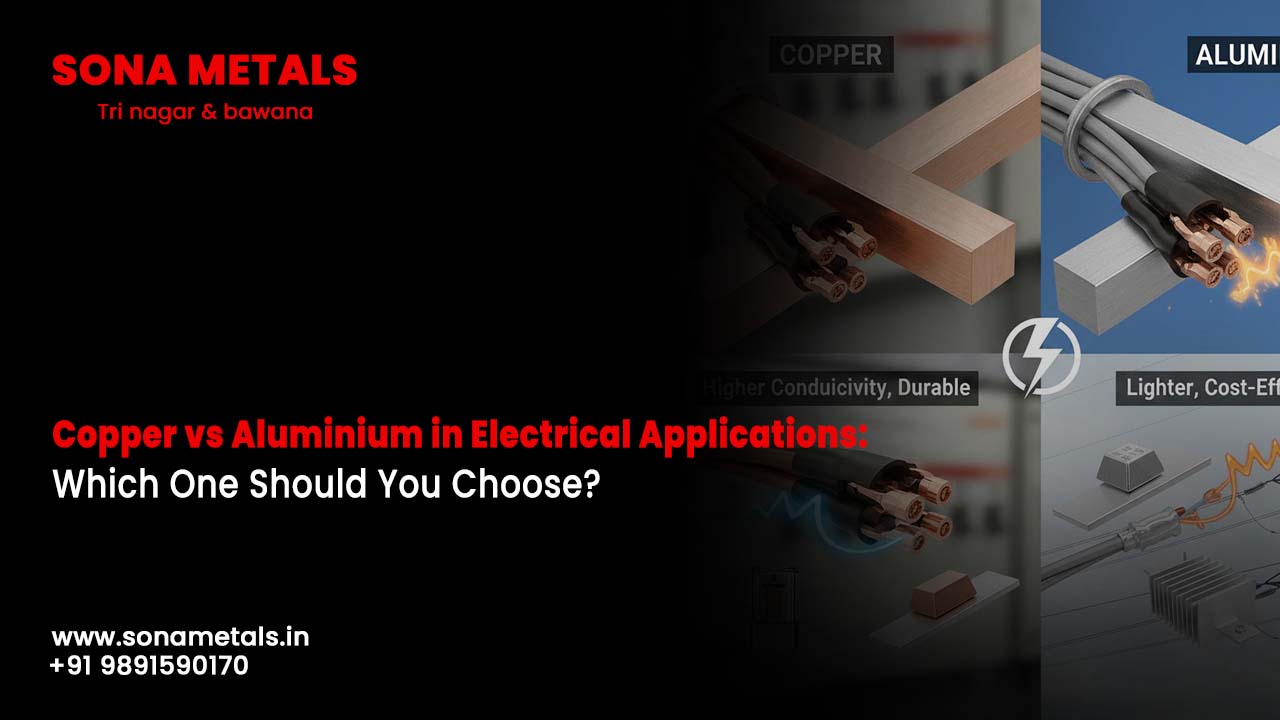
One of the most important decisions in any electrical system is selecting the appropriate conductor material. Whether the requirement is for industrial machinery, switch gear and control panels, power distribution or earthing systems – whatever the application the quality of material selected ultimately affects efficiency, safety service life and overall system cost. Of all the alternatives, copper and aluminium continue to rule India’s electrical landscape in terms of their conductivity, penetration into markets at large, and history of performance.
But the copper/aluminium choice is not just about economics. This is knowing the actual working of each metal under electric charge, outer periphery demand and long duration use.
Understanding Electrical Conductivity and Performance
Material conductivity is a major contributor to how well a material conducts current. Copper has a much higher conductivity than aluminium, so it can transmit more electricity through a cross-section area of the same size. Consequently, less resistance is created and less power is lost, and heat generation can be minimised, so copper is the ideal material if reliable and consistent energy transfer is important for an application.
Although aluminium is still a good conductor, it has lower conductivity and so conductors with the same current-carrying ability must be larger in size to carry the same current. Aluminium is also effective to use in efficient applications where size and weight are not critical. The increasing of the conductor length causes a significant difference between copper and aluminium in these aspects, explaining why copper is chosen for compact systems while aluminium becomes common in power distribution networks.
Strength, Stability, and Mechanical Reliability
Beyond electrical conductivity, the mechanical properties of the metal also affect ultimate performance. Copper is stronger and more sturdy, has better heat resistance and mechanical stress. It retains its form and contact properties through out range of temperatures while under constant electrical load. This is why copper is a great option for control panels, transformers, switchgear and industrial wiring systems where reliability is paramount.
Aluminum is lighter and softer, as a result it should be handled quite carefully during installation. It expands further as it gets warmer, and can lose connections if fittings and connectors are not selected appropriately. This does not make it bad however, it means that installation standards and the degree of maintenance must be higher.
Corrosion Resistance and Service Life
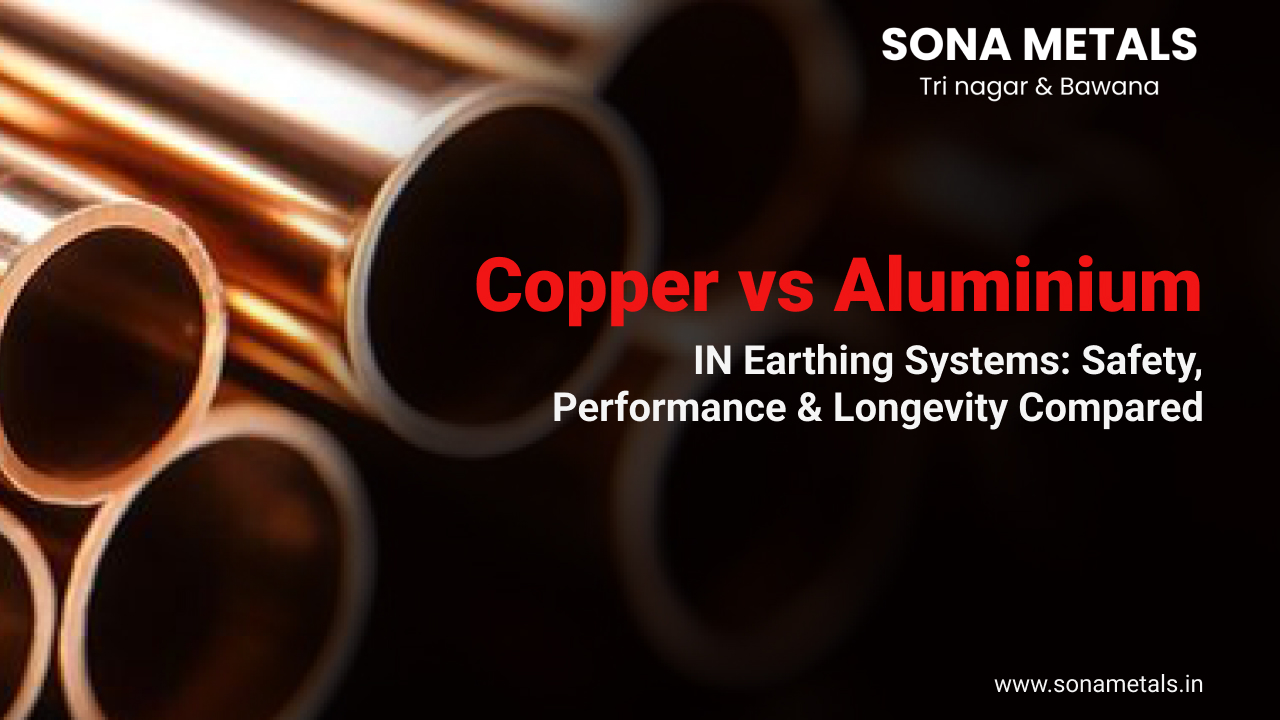
Corrosion resistance is also paramount in electrical applications subject to moisture, chemicals, or outdoor use. It is highly resistant to corrosion with excellent stability of conductivity, and it has been proven that copper is an ideal material of earthing terminals for outdoor usage. Copper earthing rods and chemical earthing solutions are the most popular options as they provide reliability, longevity good servicing intervals, made from copper with maintenance free encapsulation.
Aluminum develops an insulating oxide layer that protects it from further corrosion, however this can cause contact resistance. Aluminium performs well under normal conditions, however when in contact with harsh or corrosive surroundings/pollution copper provides a better life span.
Cost Considerations Between Initial Savings And Longterm Value
Cost is generally the first criterion when selecting a material. Because it is less expensive at the outset, aluminium is more suitable for high-volume projects — especially those involving long distances of material. Aluminium has become the preferred choice of all industries for overhead transmission and long distance power distribution applications.
Copper, however is a more expensive initial outlay but becomes better value as years pass. Its longevity, reduced maintenance requirements and better energy efficiency can lead to lower overall costs over the life of unit. For industrial and commercial uses, this long-term reliability often more than makes up for the up-front cost.
Comparing of Copper vs Aluminum for Earthing System
Earthing connections resistivity require that they be of low inertia, stable and corrosion resistant for electrical safety. The copper will always outperform aluminium in earthing and especially in services where the soil and conditions are severe. For this reason, copper earthing rods, strips and chemical earthing systems are used in sensitive installations like factories, power plants and commercial complexes.
Aluminium earthing systems can be utilised in certain situations where budget constraints are a limiting factor or the risk of environmental corrosion is low, although they should always be evaluated thoroughly to ensure long term performance.
Choosing the Best for Your Application
There is no one-size-fits-all answer between copper and aluminum. Applications that require high conductivity, compact design and long life expectancy Copper is the ideal material for them. Weight reduction is one of the key factors and as such Aluminium is a useful material for these projects providing certain design standards are met.
The most relevant one is the quality of academic products but this will be addressed below. The Power of Good Quality In either metal, low quality or uncertified materials may cause power loss and safety hazards — not to mention costly system failures.
Reliable Electrical Metals by Sona Metals India
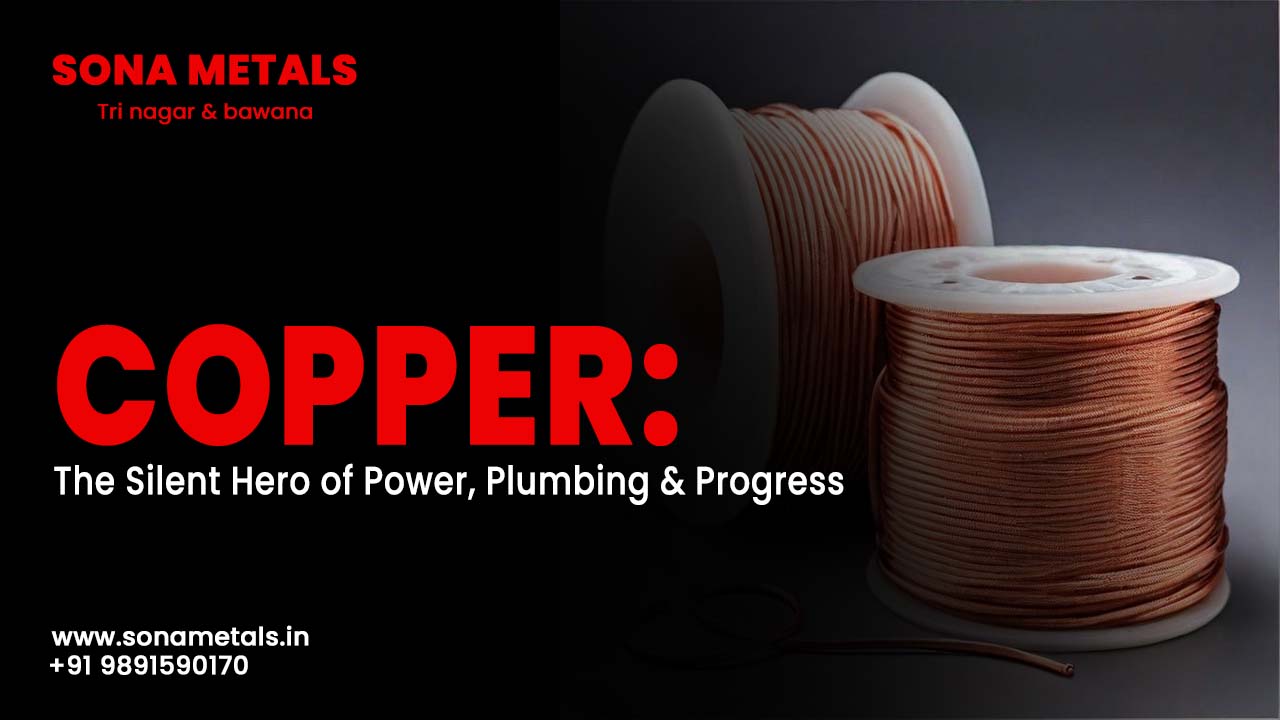
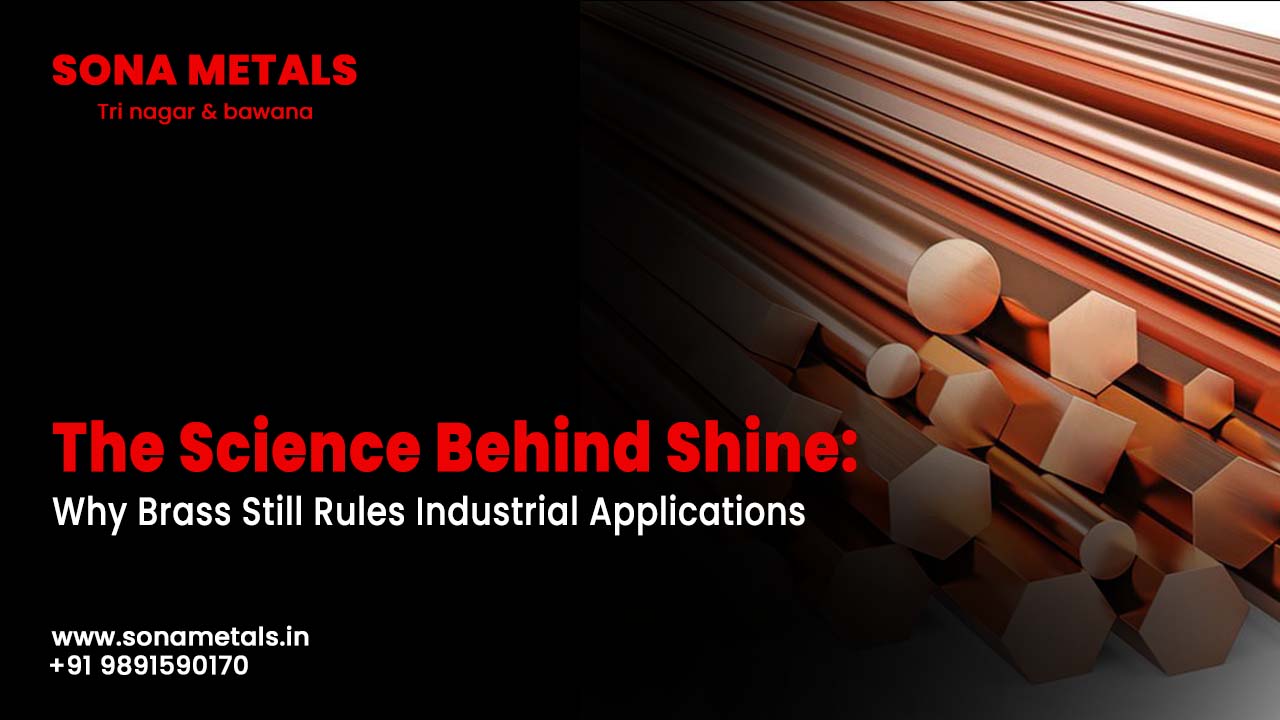
Quality remains the cornerstone of a product & we at Sona Metals India are committed to provide best quality products. The company provides a full portfolio of copper, aluminium and brass electrical materials such as copper wires, strips, rods, sheets earthing products as well as aluminium sheets, wires and industrial alloys. Every product undergoes rigorous testing and quality checks before reaching the consumer, thus ensuring a consistent performance regardless of application.
Conclusion
Copper and aluminium: both are used along the electrical engineering, however which one is prefer for your need(s) depends on what you want in terms of performance, ambient conditions and long-standing expectations to operate. Up to date, copper is still the choice for safety-critical and high-performance electric power systems, however finally aluminum performs adequately for bulk or cost-sensitive applications.
It sounds simple, but credibility is everything when it comes to choosing the right material from the right supplier to provide decades of reliability, safety and value in your electrical installation.
So, prepared to select the perfect electrical metal for your project?
Contact Sona Metals India for certified copper and aluminum products as per your application.
🌐 Visit: https://www.sonametalsindia.com

 Brass Products
 Copper Products
 Aluminium Products