

From Sheet to Strip: How Copper & Brass Are Processed for Industrial Use

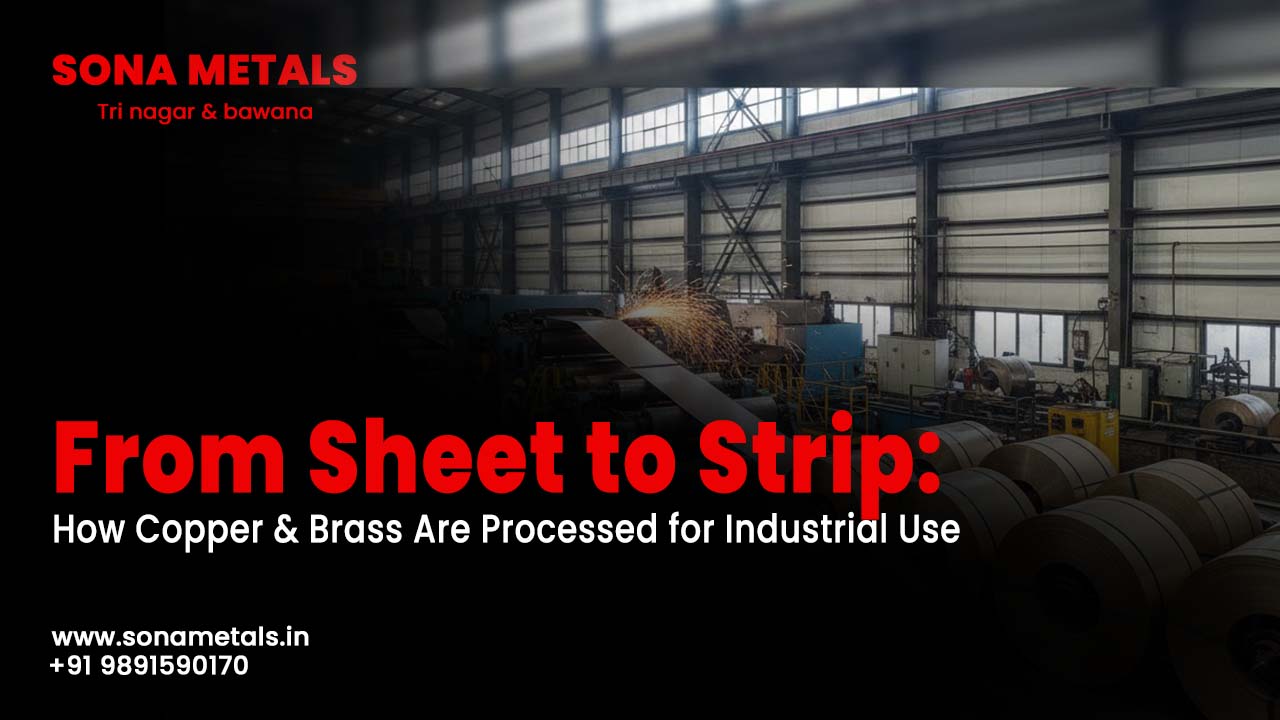
Modern industry also widely uses copper and bronze. From electrical panels to renewable energy projects to construction of steel buildings and 24-7 maintenance, these essential tools keep life in working order. But what is frequently overlooked by most of us in the transportation sector, are the processing travels that turn copper and brass billets into high-grade copper sheeting, copper strip, brass plate and brass strip for industrial use.
When manufacturers like you understand how copper and brass are fabricated — from sheet to strip, for example — they can make better purchasing decisions that just in time delivery of fabrication-ready materials.
Industrial Metal Supply: Why Processing Makes a Difference
But when it comes to industrial uses you need more that metal, you need dimensionally accurate, consistent levels of thickness as well as alloy composition control and performance predictability. Whether you are purchasing copper strip for subsequent machining into electrical or electronic components, or processor-controlled brass strip to be used in stamping applications, the level of processing directly impacts your productivity, the life of your tools and product reliability.
Poor annealing of copper or brass, results in uneven conductivity, cracking during bending of the wire and defects on the surface which leads to a level of rejection that is higher than desired. For this reason, professional metal processors put just as much stock in how metals are processed as they do in what metals are supplied to them.
Raw Material Selection : Quality Starts Here
The adventure begins with the careful choice of ultra-pure ingredients. In case of copper products, it would require sourcing of refined copper ingots with good properties in terms of electrical conductive and thermal conductivity. In brass, it is critical to have full control of copper-to-zinc ratios, strength, ductility,costs but also to maintain the good corrosion corrosion and workability.
At this point, chemical composition testing is already in place and checks the raw metal to confirm it meets certain requirements before being used to produce parts. Uniform quality of the raw material is vital for producing consistently high-quality copper sheets, brass Sheets, copper strips and brass strips for application in tough industrial environments.
Melting and Alloy Control
After approval, the crude metal is melted under controlled conditions. The optimum objective for copper is to maintain purity and promote a homogeneous structure. With brass, alloy composition is more tightly controlled to ensure precise proportions of copper and zinc.
Grain structure and mechanical properties of the metal are for the most part established by temperature control during melting. The slightest variation at this stage can affect the rest of the process, especially when making thin copper and precision brass strips for electronic manufacturers and for electronic component producers.
Riding in Sheets: Achieving Thickness
The metal is then hot and cold rolled into sheets following the melting and casting. By a mechanical strength as well as improvement of the surface condition, and decreasing a thickness gradually.
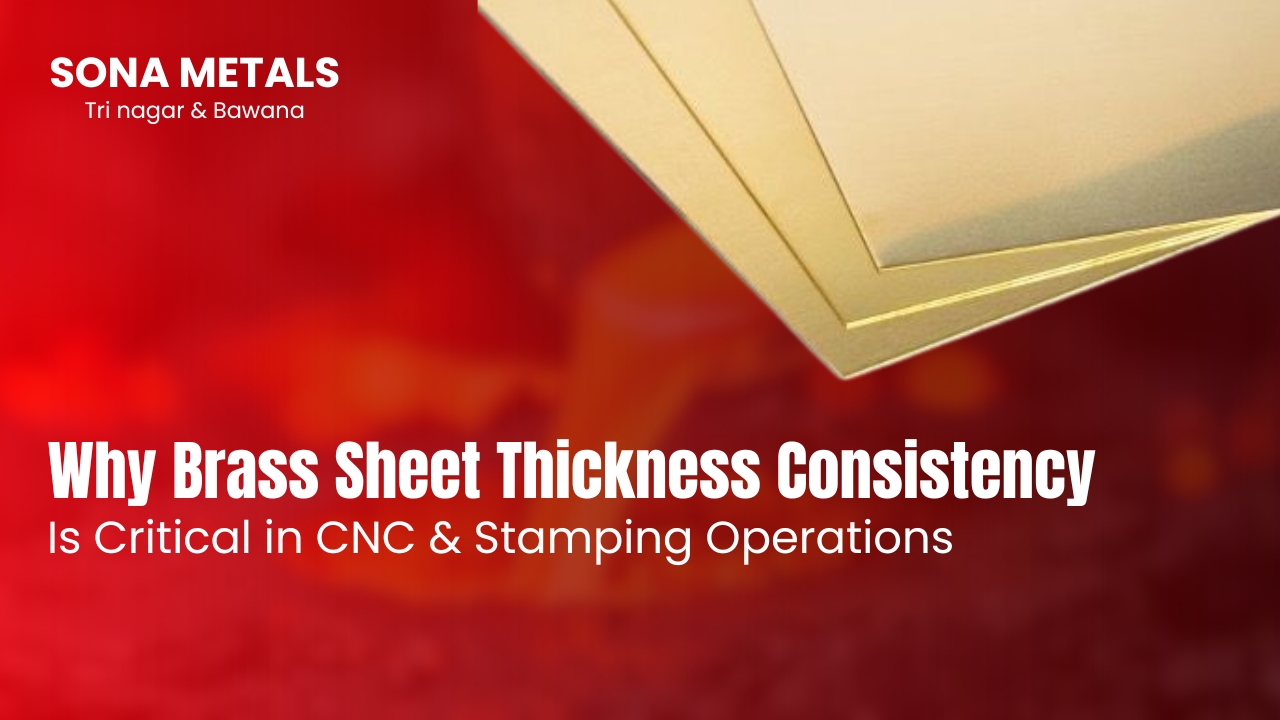
Copper and brass sheets require very tight thickness tolerances to be used for cutting, bending or stamping. More and more industrial buyers of copper sheet or brass sheet price know that material cost is not the most important factor of a roller mill.
With cold rolling it is possible to produce narrow steel strips from hot rolled lower quality stripies.
Slitting: Transforming Sheets into Strips
The process of transforming a sheet to coil is called precision slitting. Copper and Brass Damier are cut into specific widths as per customer demand. This operation is something which must be done very precisely due to the applications with copper strips for electric conductors or brass strips for terminals and connectors.
Clean edge, narrow width, little burr are needed. Bad slitting can cause problems during installation, looser electrical performance or damage of tool on the fabricating.
Annealing: Improving Workability
Copper and brass strips are generally annealed after rolling and slitting. This annealing leaves the metal in a softened state, thereby improving formability and tension-leveling capacity by alleviating internal stresses imparted from the cold-rolling process.
Also called electrolytic tough pitch (ETP) copper, it’s often used in electrical applications, such as for bus bars and wire connectors, as well as for flashing, gaskets, and rivets. The process d-20 In the same way, annealed brass strips have better formability for stamping, deep-drawing and decorative stamping components.
Annealing strengthens copper and brass products to obtain a uniform performance in the various fabrication processes.
Surface Finishing and Inspection
Surface finish is an important aspect in the application of industrial metal. Moreover, copper and brass strips are checked for surface imperfection, oxidation, gauge & smearing. Surface finish operations may be carried out, if necessary for the particular application, to offer enhanced appearance or corrosion resistance.
The final inspection verified the thickness, width, mechanical properties and surface condition. This guaranties, any copper strip or brass strip to be up to industry standard and ready for use right away.
Applications Across Industries
Simplex copper sheets and strips are extensively used in switchboards, transformers, busbars, renewable energy systems and industrial cabling. Sheets and strips in brass are used in various sectors, including plumbing, electrical engineering connectors, automotive field parts, construction elements and precision mechanics.
The trust that is placed in these processes is a result of continued development and quality processing from sheet to strip.
The Sona Metals Process to Copper / Brass Processing
At Sona Metals, the processing of copper and brass is subject to stringent quality control at every step—from sourcing of raw material through rolling, slitting, annealing, shearing and finished inspection. This provides uniform tempered copper sheet, copper strip, brass sheet and brass strip meeting industrial requirements.
Using metallurgical knowledge and processing technology to add choice, quality and economical value for its customers, Sona Metals assists manufacturers worldwide with materials that enhance productivity while decreasing costs and offering reliable performance.
Conclusion
The transition of copper and brass from sheet to strip is accurately controlled. Every step – melting, rolling, slitting, annealing and quality control – ensures the final product has that fine polished edge.
Labour intensive and highly-skilled, it is crucial for manufacturers to partner with a supplier who fully understands this process. Good quality processing results in high productivity, low costs, and a consistent end product.
Do You Search for sheets and strips made of copper or brass for industrial use?
Work with Sona Metals for reliable quality, transparent prices & assured deliveries of copper and brass products.
🌐 Visit: www.sonametals.in
📞 Call our specialists today for quotes and bulk supply options.




 Brass Products
 Copper Products
 Aluminium Products