

Copper vs Aluminium in Earthing Systems: Safety, Performance & Longevity Compared

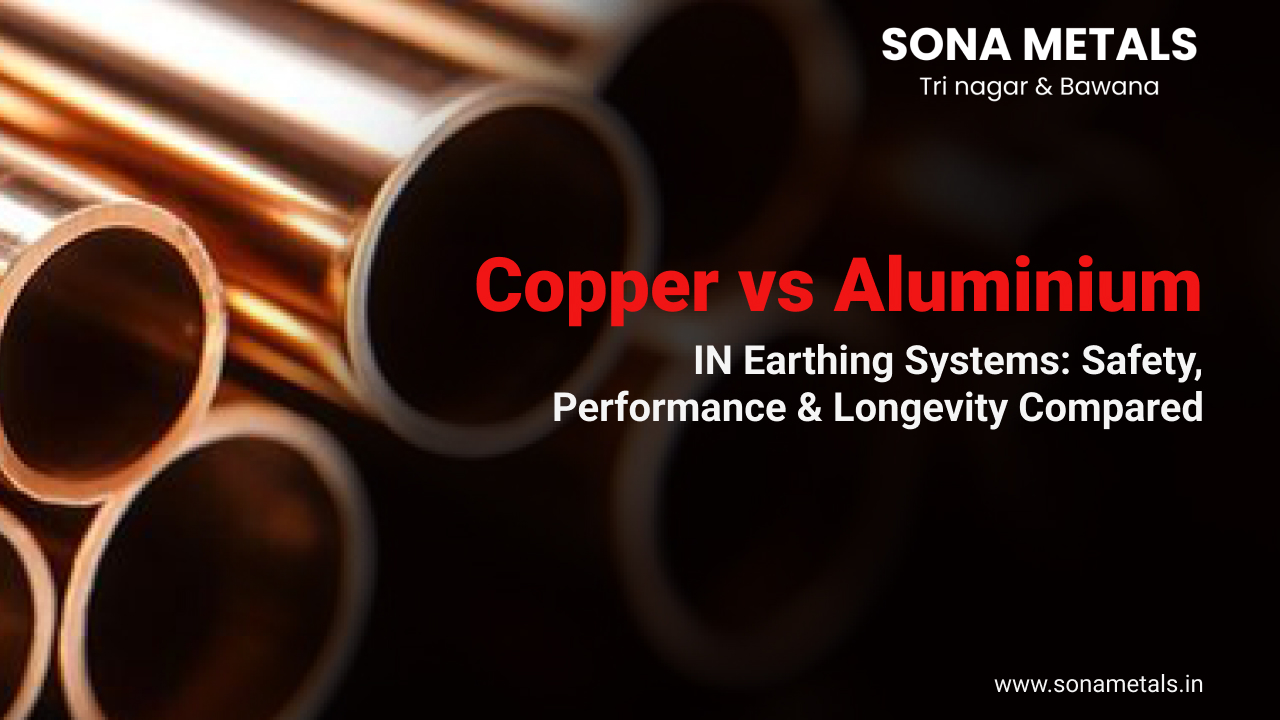
Earthing is the foundation of safety in any electrical system, from a domestic installation to hose office blocks. Whether it’s a power plant, factory, large truck or bus garage, data centre or hospital – protecting your electrical equipment and people from potential hazards can keep everyone safe – and restore service in the event of an outage.
In Indian earthing, copper and aluminium are the most frequently used materials. Both metals are used for the same basic purpose, but with vastly different safety features, durability and long term dependability from one another. Understanding the distinctions is critical when you are choosing which earthing material to work with in carrying out a project.
The Importance of Material Choice in Earthing Systems
Earthing efficiency is based on low level of electrical resistance, conductivity stable in the long time and also corrosion resistance. Earthing leads and rods are subjected to all of the moisture, temperature and chemical extremes of soil. Should the material deteriorate or become non-conductive, however, the entire electrical safety system would not be functional.
This is why the decision whether to use copper or aluminium cannot be based on cost considerations alone. It also has to consider long-term safety, maintenance levels and operational stability.
Copper and Earthing Copper in earthing is trusted over time
Copper has historically been the kingpin material when it comes to earthing applications. Its conductive properties ensure both ground faults and fault currents are carried low resistance to an earth grounding electrode while promoting a rapid trip for electrical safety reducing likelihood of personal electric shock, equipment damage. Copper earthing rods or strips remain in good operation for heavy electrical loads.
Another huge benefit of copper is its amazing corrosion resistance. In the majority of soils copper is not subject to an oxidation process that reduces electrical conductivity. This makes copper earthing most suitable for outdoor applications, industrial plants and chemically active soils.
Copper is an excellent conductor with initially low contact resistance that improves over time. This eliminates the need for regular maintenance or replacements, and is why copper earthing is used in critical applications like power stations, data centers, manufacturing units and commercial buildings.
Aluminum in Earthing Systems: Cheap and not weighty
Because it is cheaper and lighter than copper, aluminium has been popular in electrical systems. In earthing systems and where the soil is moderate, neutral or live time contact, aluminium may be acceptable.
And though it has high conductivity, aluminium is not as conductive as copper. For similar current carrying capacity an aluminium earthing conductor needs to be a larger cable. The oxide layer of aluminium also appears when it is oxidized upon exposure to air and moisture. Although it provides a barrier against further corrosion of the metal, if not controlled correctly then this layer can raise contact resistance at joints and connections.
Furthermore, aluminum is susceptible to the influence of temperature variation and mechanical stress. “If the joints become worn through expansion and contraction over time, then earthing efficacy may be lost unless kept in good repair.”
Safety Comparison: Copper vs Aluminium
In terms of safety, copper is always better than aluminium. Higher conductivity of copper dissipate fault current quicker that minimize risk of voltage build up during short circuit. That is one of the reasons it is more secure in human safety and equipment protection for installations.
ApplicationIdeals for High Risk AreasInstallation requires care, Good Quality Connections and also should be continuously checked. In high-risk and mission-critical applications, copper is still king.
Longevity and Maintenance Considerations
Life cycle of earthing in power system is a one of the dominant criteria. Most copper earthing installations continue to operate more or less indefinitely, and for many years in difficult soil conditions with little maintenance. This durable lifespan provides, among other things, reduced lifecycle costs and fewer interruptions.
Aluminum based system, although less expensive initially, would have to be periodically re-tightened, inspected or replaced because of corrosion at the joints or resistive contact variations. In the long run, these maintenance costs can diminish the perceived cost advantage of aluminum.
Performance in Different Soil Conditions
Earthing effectiveness depends on the nature of soil types. In soils with high moistures, acidity or chemical activity, copper is much more effective than aluminium. In such situations copper earthing rods or chemical earthing systems are frequently used to maintain a clear low resistance.
In dry, neutral soils with a low corrosion potential, aluminium can be considered for use but its performance should be carefully assessed at the system design stage.
Selecting a Suitable Earthing Compound for Your Application
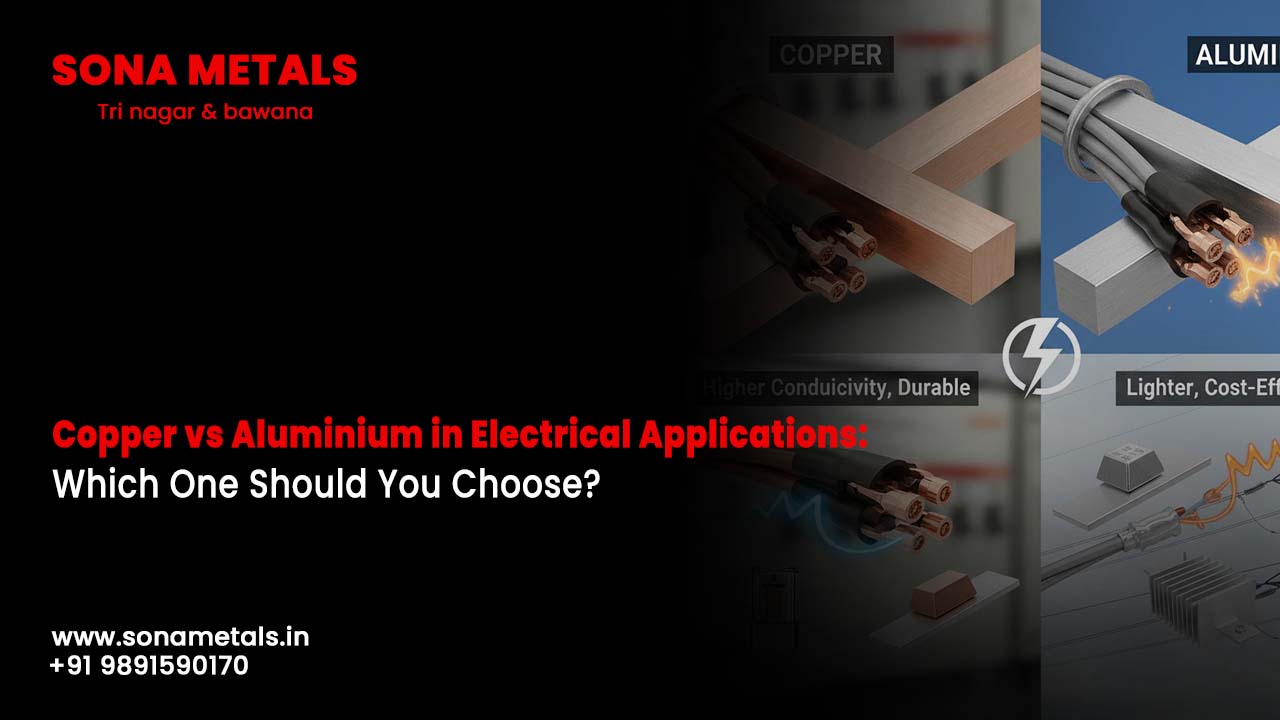
The selection of copper or aluminium conductors will depend on the particular type of installation, environmental conditions, safety requirements and anticipated life. When all that matters is performance, copper earth and ground systems offer unmatched conductivity for plant life safety and equipment protection.
Aluminium can also be a more lightweight and cost-effective option for small-k scale deployments and temperature controlled environments.
Reliable Earthing Solutions With Sona Metals
We, at Sona Metals also provide high quality copper and aluminium earthing components to the Indian as well as international electrical standards. We provide copper earthing rods, copper strips, chemical earthing compounds, aluminum earthing strips and such other electrical conductors.
Supported with stringent quality control in place and maintaining consistent material purity, we support safe and effective earthing installation across residential, commercial and industrial segments.
Conclusion
Copper and Aluminium are used in earthing system But they have some feature difference. Copper features optimum safety, corrosion resistance and long-term reliability so it’s perfect for critical and/or high performance applications. Aluminum – for some applications in which maintenance and soil conditions are controlled, it represents a lighter weight, less expensive choice.
The selection of the earthing material is an investment on safety and system life. When you trust your supplier, you can count on the materials being used to perform as expected – and for the life of the project.
Seeking trusted copper or aluminum earth systems?
Choose Sona Metals for certified materials, expert advice and fast delivery!
🌐 Visit: www.sonametals.in
📞 Call our specialists today for quotes and bulk supply options.
 Brass Products
 Copper Products
 Aluminium Products