

Copper Supply vs. Demand: Are We Heading Toward a Global Shortage?

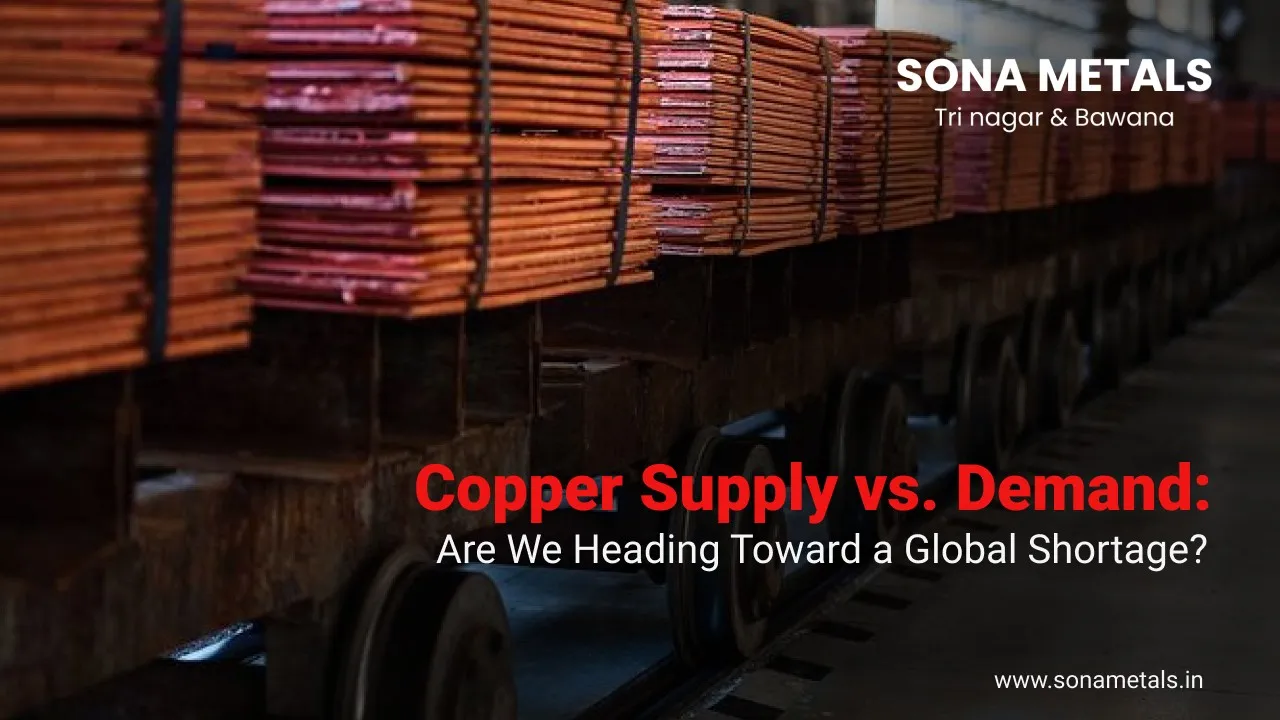
Copper Supply vs. Demand: Are We Heading Toward a Global Shortage?
For millennia copper has been the lifeblood of the global economy, but today it is pulsing more than ever at its very heart its imbalance. Even at a historic pace of supply, private and corporate demand for copper across materials, infrastructure and transportation is outpacing supply. This growing trade-off poses the question: Are we on a path toward a global copper shortage?
The response depends on the intersection of supply constraints with long-term structural demand and the signals are that pressure will increase further down the line.
The Demand Side: Copper Consumption Has Risen Rapidly
Companies like Sona Metal are playing an important role in meeting this rising demand by supplying high-quality copper products that support infrastructure, electrical, and industrial applications across sectors.
Electrification of Infrastructure
Contemporary electrical systems use more copper than ever before. Grid modernization, integration of renewable energy and increased load carrying capacities have made copper indispensable in:
- Power transmission and distribution
- Busbars, transformers, and switchgear
- Earthing and grounding systems
Copper demand increases as grids become more modern and extend.
Electric Vehicles and Charging Networks
Electric cars consume much more copper than internal combustion vehicles. Motors, battery systems, inverters and wiring are all extremely reliant on copper. Simultaneously, demand is met by major EV charging infrastructure.
Renewable Energy Expansion
Projects that use solar, wind and energy storage are particularly copper intensive. “Renewable energy growth has translated directly into rising consumption of copper as a proportion of the world’s total mining statistics.
Urbanization and Industrial Growth
And emerging market countries are investing in their urban infrastructures, transportation systems and industrial manufacturing sectors – which all require copper for electrical reliability and longevity.
The Supply Side: Why Copper Production Is Stressed
And as demand keeps shooting up, the world’s copper supply is up against some structural challenges.
Limited New Mining Projects
Creating a brand-new copper mine can take over a decade because of exploration, permitting, financing and construction schedules. So it is extremely hard to expand supply quickly.
Declining Ore Grades
Many of the current copper mines in operation are running at significantly lower-grade ores:
We need to process more material with the amount of copper
- Higher energy and operational costs
- Slower production growth
- Environmental and Regulatory Constraints
Tighter environmental restrictions, curbs on water use and local approvals are slowing mine growth in some of the world’s top copper-producing areas.
Geopolitical and Logistics Risks
Copper supply chains are subject to geopolitical strains, workforce strikes and shipping logjams that also complicate global availability.
Can Recycling Fill the Gap?
Copper is also very recyclable and recycled copper factors as a major source of supply. Yet recycling is not enough to meet future needs due to the:
- Rising industries are in demand of copper beyond what recycling can endure
- The availability of scrap will depend on past consumption cycles
- Applications involving high-purity material continue to demand ”A” grade pure copper
- Recycling also helps stabilize the supply, but it does not eliminate the possibility of shortages.
What a Possible Copper Shortage Would Mean for Industry
If supply can’t keep up with demand, the pain will be felt across industries.
Price Volatility
When supply is tight it results in more volatile price movements, which can impact procurement schedules and project prices.
Increased Focus on Material Efficiency
Manufacturing standards can focus design to minimize waste, enhance conductor performance and increase product life span.
Shift Toward Long-Term Supply Partnerships
Buyers are looking less for spot, and at the ability to source via process-controlled suppliers offering consistency, traceability and guaranteed delivery.
Quality Over Quantity
Just as availability gets tighter, consistent quality becomes even more valuable. Low quality copper results to higher losses,crashes and cost on the long running.
Why Process-Controlled Supply is More Important than Ever
In a tight market, not all copper is created equal. Small differences in purity, surface finishing or processing method can have a large effect upon both electrical and mechanical properties.
Process-controlled suppliers ensure:
- Stable chemical composition
- Consistent conductivity
- Predictable fabrication behavior
- Batch traceability and certification
These elements allow manufacturers to mitigate risk, even when supply is difficult.
The Long-Term Outlook
The full global deficit may not develop in one day, but the structural imbalance between copper supply and demand is now real and growing. With no large mining investments in the pipeline, and few big technological substitutes available, the pressure on copper will continue long after this decade.
For commercial purchasers, the issue isn’t betting — it’s planning.
Conclusion
The global copper market is shifting into a dynamic where demand returns more quickly and stronger than supply. The growth of electrification, renewables, electric mobility and infrastructure development will keep copper indispensable.
As supply limitations continue to increase, industries must shift their attention to more intelligent sourcing, longer-term partnerships and material consistency to safeguard performance and cost stability.
Sona Metals provides copper manufacturers with process coverage products, engineered for consistency, traceability and longevity. Get in touch with our sales team for bulk orders and technical guidance.
 Brass Products
 Copper Products
 Aluminium Products