

Gun Metal vs Brass vs Bronze: Which Alloy is Best for Industrial Applications?

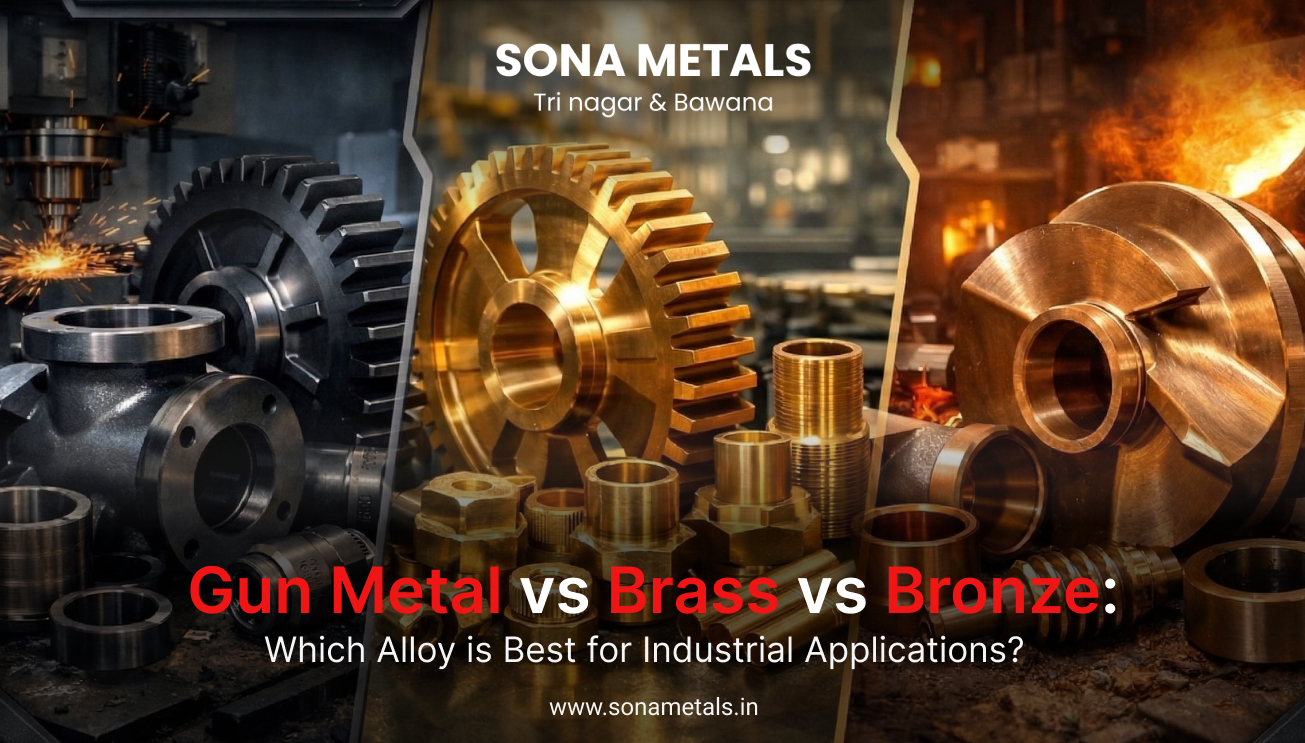
In modern manufacturing and engineering, selecting the right metal alloy is critical for performance, durability, and cost efficiency. Among the most widely used copper-based alloys are gun metal, brass, and bronze. Each of these alloys has unique properties that make it suitable for specific industrial applications.
From plumbing systems to heavy machinery components, these alloys play a vital role in industries such as construction, marine engineering, automotive manufacturing, and industrial machinery.
In this guide, we will explore the differences between gun metal, brass, and bronze, their properties, advantages, and how to choose the best alloy for industrial use.
Understanding Metal Alloys
An alloy is a metal made by combining two or more metallic elements to improve strength, corrosion resistance, durability, and other mechanical properties. Copper-based alloys are especially popular in industrial environments because they offer excellent corrosion resistance, machinability, and thermal conductivity.
Among these, gun metal, brass, and bronze are commonly used because they provide a balance of strength, reliability, and versatility for various industrial applications. At Sona Metal, these high-quality copper-based alloys are widely used in the manufacturing of durable industrial components designed to meet modern engineering and performance standards.
What is Gun Metal?
Gun metal is a type of bronze alloy traditionally composed of:
- Copper
- Tin
- Zinc
It is known for its excellent corrosion resistance, wear resistance, and casting ability.
Historically, gun metal was used to manufacture cannons, which is where it gets its name. Today, it is widely used in heavy-duty industrial components.
Key Properties of Gun Metal
- High resistance to corrosion
- Excellent strength and durability
- Good casting characteristics
- Resistant to steam and saltwater environments
- Low-friction properties
Industrial Applications of Gun Metal
Gun metal is commonly used in:
- Pump components
- Valve bodies
- Bushings and bearings
- Marine hardware
- Steam fittings
Industries such as marine engineering, oil & gas, and heavy manufacturing rely heavily on gun metal components due to their durability and corrosion resistance.
What is Brass?
Brass is one of the most widely used copper alloys. It is primarily made from:
- Copper
- Zinc
The ratio of copper and zinc determines the mechanical properties of brass. It is known for its excellent machinability, electrical conductivity, and corrosion resistance. Brass is widely used in manufacturing high-precision industrial components, plumbing fittings, valves, and electrical parts. Companies like Sona Metal manufacture a wide range of brass products designed for durability and industrial performance. https://sonametals.in/products/.
Key Properties of Brass
- High machinability
- Good corrosion resistance
- Attractive gold-like appearance
- Good thermal and electrical conductivity
- Easy to form and shape
Industrial Applications of Brass
Brass is widely used across multiple industries, including:
- Plumbing fittings
- Electrical connectors
- Fasteners
- Musical instruments
- Decorative hardware
Because brass is easy to machine and shape, it is ideal for precision parts and components.
What is Bronze?
Bronze is another copper-based alloy, traditionally made from:
- Copper
- Tin
Modern bronze alloys may also include elements such as aluminum, manganese, or phosphorus to enhance specific properties.
Bronze is known for its high strength, wear resistance, and excellent durability.
Key Properties of Bronze
- Superior wear resistance
- High strength and durability
- Excellent corrosion resistance
- Good fatigue resistance
- Low metal-to-metal friction
Industrial Applications of Bronze
Bronze is commonly used in demanding industrial applications such as:
- Bearings and bushings
- Marine equipment
- Industrial gears
- Springs
- Heavy machinery components
Its ability to withstand heavy loads and friction makes bronze ideal for moving parts.
Gun Metal vs Brass vs Bronze: Key Differences
| Property | Gun Metal | Brass | Bronze |
| Composition | Copper + Tin + Zinc | Copper + Zinc | Copper + Tin |
| Strength | High | Moderate | Very High |
| Corrosion Resistance | Excellent | Good | Excellent |
| Wear Resistance | High | Moderate | Very High |
| Machinability | Good | Excellent | Moderate |
| Cost | Moderate | Lower | Higher |
| Industrial Use | Pumps, valves | Plumbing, fittings | Bearings, gears |
This comparison shows that each alloy offers unique advantages depending on the specific industrial requirement. Choosing the right material depends on factors such as strength, corrosion resistance, machinability, and application environment. If you need expert guidance or high-quality alloy components for your industrial needs, you can reach out to the team at Sona Metal for professional support and product inquiries here:
Which Alloy is Best for Industrial Applications?
The best alloy depends on the specific application, environment, and performance requirements.
Choose Gun Metal If:
- You need strong corrosion resistance
- Components operate in marine or steam environments
- The part requires good casting properties
Choose Brass If:
- You need high machinability
- The component requires precision manufacturing
- The application involves electrical conductivity
Choose Bronze If:
- You need high wear resistance
- The part experiences heavy friction or load
- Long-term durability is critical
Factors to Consider When Selecting an Alloy
When choosing between gun metal, brass, and bronze, engineers typically consider the following factors:
1. Corrosion Resistance
For marine or chemical environments, corrosion resistance is a top priority.
2. Strength and Load Capacity
Heavy-duty applications require alloys with higher mechanical strength.
3. Machinability
Manufacturing efficiency depends on how easily the material can be cut or shaped.
4. Cost Efficiency
Some alloys are more expensive due to their composition and performance benefits.
5. Environmental Conditions
Temperature, moisture, chemicals, and pressure levels affect alloy performance.
Why Copper Alloys Are Important in Industry
Copper-based alloys remain essential in modern manufacturing because they offer:
- High durability
- Excellent corrosion resistance
- Good thermal conductivity
- Long service life
- Versatile industrial applications
From industrial valves to marine equipment, these alloys ensure reliable performance in demanding environments.
Conclusion
Gun metal, brass, and bronze are three of the most important copper-based alloys used in industrial manufacturing. While they share similar base materials, their composition and mechanical properties make them suitable for different applications.
- Gun metal is ideal for pumps, valves, and marine environments.
- Brass works best for precision parts, plumbing, and electrical fittings.
- Bronze is the preferred choice for heavy-duty bearings, gears, and high-friction components.
Understanding the differences between these alloys helps manufacturers choose the right material for durability, efficiency, and long-term performance.
Selecting the correct alloy not only improves product quality but also enhances the reliability and lifespan of industrial systems.
 Brass Products
 Copper Products
 Aluminium Products