

Complete Guide to Gun Metal Products: Types, Forms, Uses & Industrial Applications

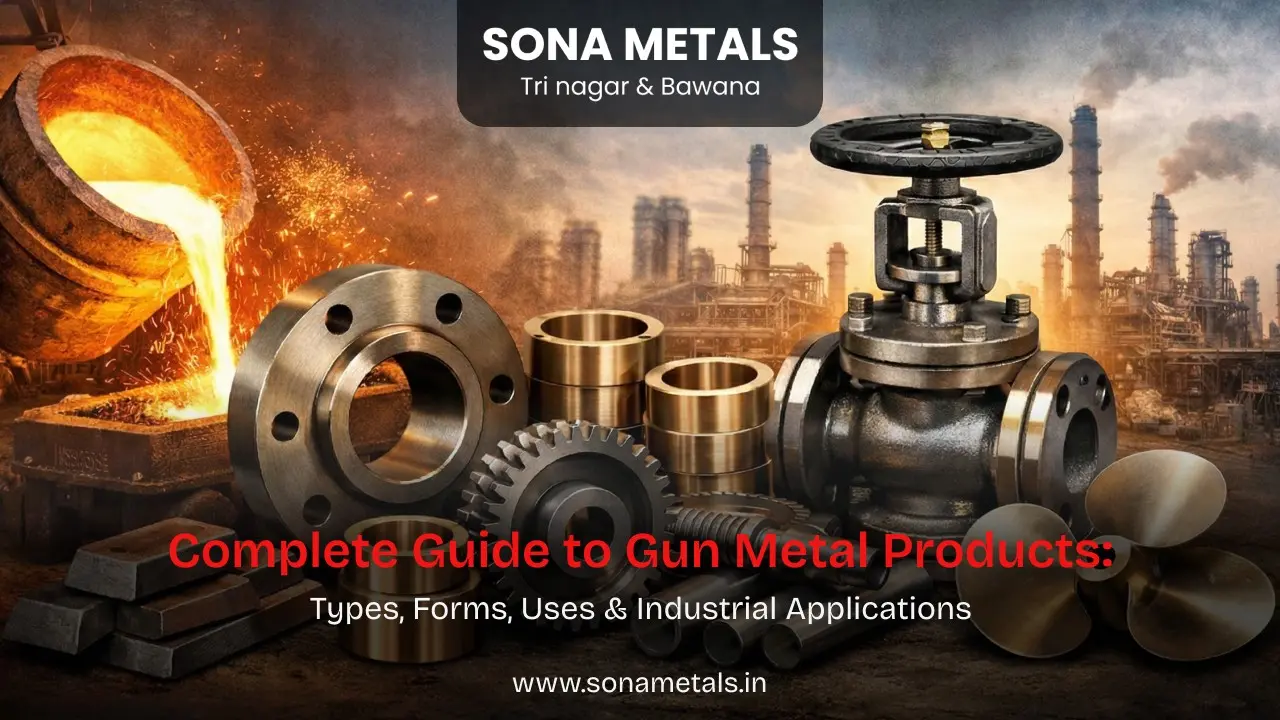
Gun Metal Products play a crucial role in modern engineering, marine systems, industrial machinery, and precision components. Known for their excellent strength, corrosion resistance, and durability, gunmetal alloys have been trusted for decades across various industries.
In this detailed guide, we will explain what gun metal material is, which metal is used in guns, what gunmetal is used for today, the major components of gunmetal, and the types of metals used in engineering.
What is Gun Metal Material?
Gun metal material is a type of bronze alloy primarily composed of copper, tin, and zinc. It is a corrosion-resistant metal that offers excellent casting properties and high resistance to wear and tear.
Traditionally, gunmetal was used to manufacture cannons and artillery parts, which is how it got its name. However, modern Gun Metal Products are mainly used in industrial applications rather than firearms.
The typical composition of gunmetal includes:
- Copper (approximately 85–88%)
- Tin (approximately 5–10%)
- Zinc (approximately 2–5%)
Sometimes, small amounts of lead are added to improve machinability.
Because of its anti-corrosive nature and strength, gunmetal is ideal for components exposed to water, steam, and pressure.
Which Metal is Used in Guns?
A common question is: Which metal is used in guns?
Modern firearms are usually made from high-strength steel alloys due to their ability to withstand extreme pressure and heat. Aluminium Products are commonly used in gun barrels and structural parts.
Historically, gunmetal (bronze alloy) was used to cast cannons and artillery equipment because it was easier to cast and resistant to corrosion. Today, while gunmetal is not typically used for modern small firearms, it remains valuable in industrial manufacturing due to its mechanical strength and durability.
Major Components of Gunmetal
Understanding the major components of gunmetal helps in identifying why this alloy performs so well in industrial applications.
1. Copper
Copper is the primary element in gunmetal. It provides corrosion resistance, electrical conductivity, and strength.
2. Tin
Tin increases hardness and improves resistance to wear and corrosion.
3. Zinc
Zinc improves fluidity during casting and enhances strength.
4. Lead (Optional)
In some grades, small amounts of lead are added to improve machinability.
This balanced composition makes Gun Metal Products highly reliable in heavy-duty and marine environments.
Types of Gun Metal Products
Gunmetal is available in various forms depending on industrial requirements. Some of the most common Gun Metal Products manufactured by Sona Metal include:
1. Gunmetal Bushes
Widely used in automotive and machinery applications for reducing friction.
2. Gunmetal Bearings
Known for high load-bearing capacity and wear resistance.
3. Gunmetal Valves
Ideal for plumbing, marine, and steam systems.
4. Gunmetal Castings
Used in pump parts, marine fittings, and heavy engineering components.
5. Gunmetal Rods & Bars
Used for machining custom components.
6. Gunmetal Sheets & Plates
Used in fabrication and engineering structures.
Each form offers unique advantages based on industrial usage.
What is Gunmetal Used for Today?
You may wonder: What is gunmetal used for today?
Today, gunmetal is widely used across industries such as:
Marine Industry
Due to its resistance to saltwater corrosion, gunmetal is ideal for ship fittings, propellers, and marine hardware.
Plumbing & Valves
Gunmetal valves and fittings are commonly used in water supply systems.
Automotive Industry
Bushes and bearings made from gunmetal ensure durability and reduced friction.
Heavy Engineering
Industrial machinery parts and pump components often use gunmetal castings.
Steam & Pressure Applications
Its resistance to pressure and heat makes it suitable for steam valves and high-pressure systems.
Gun Metal Products remain a preferred choice where corrosion resistance and mechanical strength are required.
Industrial Applications of Gun Metal Products
Gunmetal is highly versatile and used in multiple engineering sectors:
- Pump bodies
- Valve components
- Gear blanks
- Marine hardware
- Electrical connectors
- Hydraulic fittings
- Textile machinery parts
- Agricultural equipment components
Its ability to withstand moisture, chemicals, and wear makes it highly dependable.
Advantages of Gun Metal Products
Gunmetal offers several advantages over other metals:
✔ Excellent corrosion resistance
✔ High durability
✔ Good casting properties
✔ Strong wear resistance
✔ Easy machinability
✔ Long service life
✔ Low maintenance cost
Because of these benefits, manufacturers prefer gunmetal for precision engineering components.
What Are the 10 Types of Metals?
To better understand where gunmetal stands, it is useful to know the broader classification of metals used in industries.
Here are 10 common types of metals:
- Steel
- Stainless Steel
- Cast Iron
- Aluminum
- Copper
- Brass
- Bronze
- Titanium
- Zinc
- Nickel
Gunmetal falls under the bronze category since it is a copper-based alloy.
Gunmetal vs Bronze vs Brass
Many people confuse gunmetal with brass or bronze.
- Brass is made of copper and zinc.
- Bronze is mainly copper and tin.
- Gunmetal is a modified bronze alloy containing copper, tin, and zinc.
Gunmetal offers better casting properties and corrosion resistance compared to many other alloys.
Why Choose Gun Metal Products for Industrial Use?
If you are selecting materials for heavy-duty industrial applications, gunmetal offers the perfect combination of strength, durability, and resistance to corrosion.
Its balanced composition ensures:
- Stable performance in harsh environments
- Reduced wear and tear
- Long operational lifespan
- High reliability in marine and steam systems
Manufacturers and exporters worldwide rely on Gun Metal Products for consistent industrial performance. If you are looking for premium-quality gunmetal components, you can get in touch with Sona Metal through their official contact page:
Conclusion
Gun Metal Products continue to be an essential part of modern engineering and industrial applications. From understanding what gunmetal is to knowing which metals are used in guns, and exploring what gunmetal is used for today, it is clear that this alloy plays a vital role beyond its historical origins.
With its strong composition of copper, tin, and zinc, gunmetal provides exceptional corrosion resistance, durability, and machinability. Whether used in marine fittings, valves, bearings, or industrial castings, it remains one of the most reliable engineering materials available today.
If you are looking for high-quality gunmetal components for your industrial needs, choosing the right manufacturer ensures performance, longevity, and cost efficiency.
Frequently Asked Questions (FAQs)
1. What is gun metal material made of?
Gun metal material is a bronze alloy mainly composed of copper (85–88%), tin (5–10%), and zinc (2–5%). In some grades, a small amount of lead is added to improve machinability.
2. What are Gun Metal Products used for?
Gun Metal Products are widely used in marine fittings, valves, pump bodies, bushes, bearings, steam components, and heavy engineering applications due to their corrosion resistance and durability.
3. Which metal is used in guns today?
Modern firearms are typically made from high-strength steel alloys. Historically, gunmetal (a bronze alloy) was used for casting cannons and artillery components.
4. Why is gunmetal preferred in marine applications?
Gunmetal offers excellent resistance to saltwater corrosion, making it ideal for marine hardware, ship fittings, and propellers.
5. What are the main advantages of Gun Metal Products?
Key benefits include high strength, wear resistance, corrosion resistance, excellent casting properties, long service life, and low maintenance cost.
6. What is the difference between gunmetal, brass, and bronze?
Brass is made of copper and zinc. Bronze is primarily copper and tin. Gunmetal is a modified bronze alloy containing copper, tin, and zinc.
 Brass Products
 Copper Products
 Aluminium Products